What I help with
The problems people bring me most often, and where to read more on each of them.
Most of what I see is musculoskeletal pain that has either come on suddenly and not settled, or has been going on long enough to be called chronic.
Each condition below has its own page, or will have as I write them. Those pages cover what the current evidence supports, how long things usually take, how to read a scan report, and what to do at home in the first week.
Chiropractors assess and treat musculoskeletal pain, meaning the spine, the joints and the soft tissue around them. In my practice that is mostly lower back pain, neck pain, headaches, sports and overuse injuries, and pain that has persisted longer than expected. Care combines education, graded loading and hands-on treatment.
The qualification is a six year Master's degree with a substantial diagnostic component, so part of a first consultation is establishing whether what you have is mine to treat. Where it is not, I will refer you on.
I also hold a postgraduate diploma in interdisciplinary pain management from the University of Cape Town. That diploma is the reason I take a particular interest in pain that has stopped behaving like an ordinary injury.
The bulk of my caseload is lower back pain and sciatica, neck pain and tension headache, migraine and cervicogenic headache, sports injuries and overuse strains, shoulder, hip and knee pain, posture and desk related pain, and persistent pain. Several of these have a full page behind them.
Back pain, leg pain, and how to tell the two apart. Covers imaging, timeframes, and the effect of a long daily commute.
Stiff necks and the band of pressure that often comes with them, including the evidence on posture and screen time.
Working out whether your headache is coming from your neck, and what the treatment looks like either way.
Rotator cuff pain, frozen shoulder, and what a tear on a scan actually means, including the evidence on decompression surgery.
Pain on the outside of the hip and in the groin, including the tendon problems that stretching tends to make worse.
Kneecap pain, load related pain on the outside of the knee, and osteoarthritis that responds better to strength than to rest.
Running, cycling, paddling and gym injuries, including iliotibial band syndrome and the tendon problems that follow a jump in training.
The aches that build up over a working week, and the changes that shift them.
Pain that has outlasted the injury behind it, and what the evidence supports once the usual approach has run out.
How I work
Care runs in three steps, in the same order every time: understanding what is driving the pain, loading the area back up to tolerance, and getting you back to what you want to be doing. Hands-on treatment sits inside the loading step, where it makes movement easier sooner.
The toolkit is spinal and joint manipulation, dry needling, ischaemic compression, instrument assisted soft tissue work, neural mobilisation, pain education, graded exposure and graded loading, with shockwave therapy where a tendon problem calls for it.
The research is reasonably clear that no single one of those carries the result. The loading and the understanding do most of the work, and the hands-on treatment makes both easier to get on with.
No. Chiropractors are first-contact practitioners in South Africa, so you can book directly and you do not need a referral or a scan beforehand. Most medical aids pay from day to day benefits or from a savings account. If your problem needs somebody else, I will tell you and refer you.
Read more: medical aids and payment
It runs 45 to 60 minutes. History first, then orthopaedic and neurological testing, then an explanation of what is going on and what the plan is. Treatment usually starts at the same visit, and you will be given something to work on at home.
Bring any scan reports you already have, along with the name of anything you are taking. If you are on Discovery and have been notified that you qualify for the Spinal Conservative Care Programme, bring that notification too.
Go to an emergency department the same day for loss of bladder or bowel control, numbness in the saddle area between the legs, weakness in both legs that is getting worse, or a sudden severe headache unlike any before. See a doctor promptly for unexplained weight loss, fever or night sweats alongside pain.
Also see a doctor promptly for new or worsening weakness or numbness in an arm or leg, for pain that is unrelenting at night and does not change with position, after any significant trauma, or if you have a history of cancer, osteoporosis, long-term corticosteroid use or a significantly compromised immune system.
All of this is uncommon. It is set out here so that you know what does need urgent attention, which makes it easier to stop worrying about the rest.
Although I have an extensive knowledge of pain pharmacology, questions about medication are better aimed at your doctor or pharmacist rather than at me. I am not allowed to script any medication.
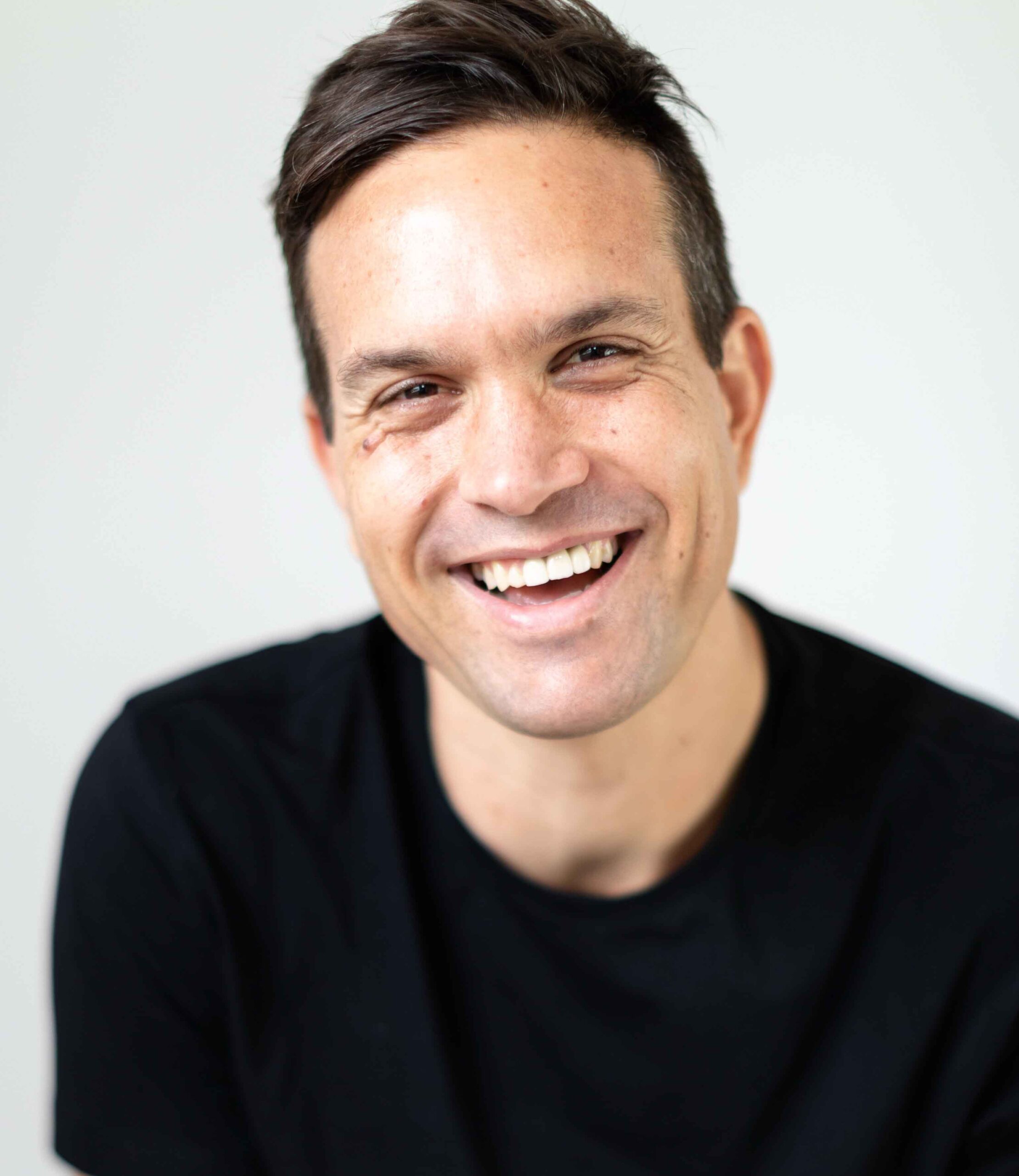
Written by Dr Neil Cuninghame
MTech Chiro (DUT), PG Dip Interdisciplinary Pain Management (UCT), AHPCSA A10852
Over 17 years in clinical practice, with a postgraduate qualification in interdisciplinary pain management from the University of Cape Town.
Next step
If something has been sore for weeks and nobody has explained it to you properly, that is what a first consultation is for. It runs 45 to 60 minutes and no referral is needed.
Phone 031 035 1165 · WhatsApp 064 820 5203 · A1a Meyrickton Park, 2 Meyrickton Pl, St Helier, Hillcrest, 3610
This page is general information and is not a substitute for personalised medical advice. Always consult a healthcare provider about your specific condition.